
Some homes whisper. Some make an entrance. And some are still trying to figure out who they want to be.
Walk into someone’s home and you’ll learn a surprising amount about them before they’ve even offered you a drink.
There’s the minimalist whose coffee table is suspiciously empty. The maximalist whose shelves look like a museum curated by someone with excellent taste and absolutely no intention of stopping. The vintage enthusiast who insists every piece has a story. And the person who bought a boucle chair because the internet told them to.
We all have our design personalities. The question is whether our homes are expressing them — or just following instructions from the algorithm.
The Minimalist: Less Stuff, More Feelings About Stuff
Nothing is accidental here. The sofa is sculptural. The palette is restrained. The coffee table holds one beautiful book, which may or may not have been opened.
Minimalists understand the power of a room that can breathe. They appreciate natural materials, thoughtful proportions, and the luxury of not having to move six decorative objects before setting down a cup of coffee.
Their challenge? Making a home feel warm rather than like an exceptionally expensive gallery where touching things is discouraged.
The design move: Introduce texture. Linen, timber, handmade ceramics, and imperfect finishes can give a pared-back room a little soul without sacrificing its serenity.
The Maximalist: More Is More, Actually
A maximalist doesn’t ask whether the room needs another artwork. They ask whether the artwork needs a friend.
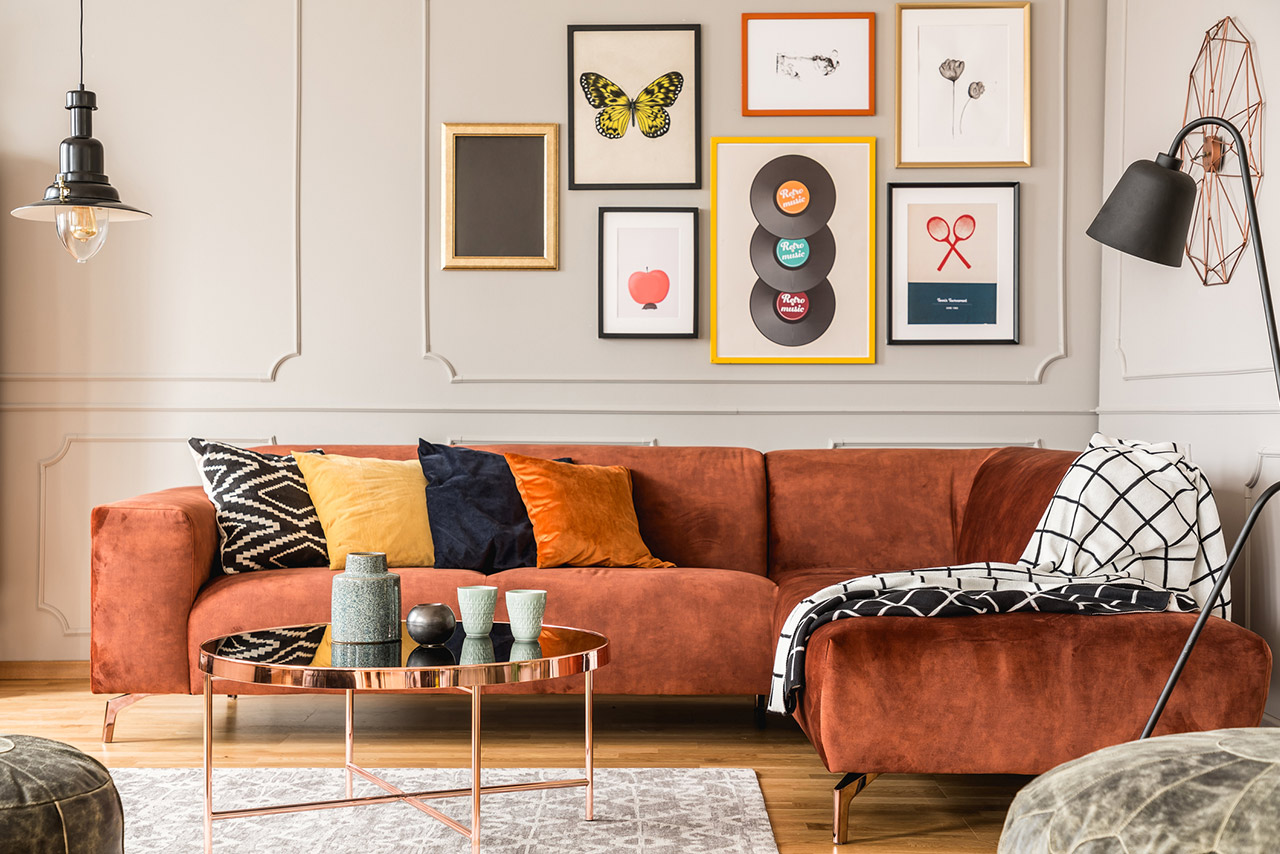
Pattern meets pattern. Books share space with collected objects. A dramatic wallpaper choice becomes the beginning of a conversation rather than the end of a decorating debate.
Done well, maximalism feels layered, personal, and wonderfully alive. The secret isn’t filling every available inch. It’s creating enough connection between colors, textures, and objects that the room feels intentional rather than accidental.
The design move: Find a common thread. Repeat a color, echo a shape, or balance a busy print with a quieter surface. Personality is good. Visual chaos is a different hobby.
The Vintage Romantic: If These Walls Could Talk
This person knows the difference between old and characterful. They love the patina on a wooden table, the slightly uneven glaze on a ceramic lamp, and the idea that a piece of furniture has lived an entire life before arriving in their living room.
Their spaces rarely look like they were ordered in one afternoon. That’s the charm. A contemporary sofa might sit beside a century-old cabinet, while an inherited painting gets pride of place above a very modern fireplace.
The design move: Let old and new coexist. Pair a vintage piece with clean-lined contemporary furniture so the room feels collected over time, not frozen in it.
The Trend Enthusiast: Current Mood, Current Furniture
One month it’s sculptural lighting. The next, it’s earthy neutrals, checkerboard floors, or a color you suddenly see everywhere.
Trend lovers bring energy and experimentation to interiors. They’re willing to take a risk, try something unexpected, and have a little fun with their surroundings.
The only danger? Waking up one day and realizing your home looks more like a shopping feed than a reflection of you.
The design move: Experiment with the easy-to-change elements first: cushions, lampshades, artwork, and paint. Save the expensive, permanent commitments for things you genuinely love beyond the current trend cycle.
The Accidental Designer: It Just Sort of Happened
Their home has a little bit of everything. A chair from an old apartment. A rug purchased on holiday. A hand-me-down side table. Something they found online at midnight and still can’t explain.
And somehow, it works.
Or at least, it feels like them.
The accidental designer often has the most interesting spaces because they’re not trying to achieve a particular look. They’re collecting things that mean something, solving problems as they go, and allowing their home to evolve.
The design move: Edit, don’t erase. Keep the pieces with a story, remove what no longer earns its place, and give your favorite objects enough space to shine.
So, What Does Your Home Say About You?
Here’s the interesting part: you don’t need to fit neatly into one category.
The best interiors often borrow a little from several personalities. A minimalist room can hold one gloriously eccentric chair. A traditional home can embrace contemporary art. A colorful apartment can still have moments of calm.
In fact, the most compelling homes rarely look as though someone bought the entire room in one go. They have contrast, character, and the occasional decision that shouldn’t work but somehow does.
And when you’re looking for a new home, this is worth remembering.
Don’t just imagine where the sofa will go. Think about how you want the space to feel. Will you entertain a crowd? Collect art? Need a quiet corner to disappear into at the end of the day? Want a blank canvas, or a home with architectural character already built in?
The right property doesn’t have to dictate your style. It should give it room to grow.
The Final Design Rule? There Are No Final Design Rules.
Your home doesn’t need to look like a showroom. It doesn’t need to follow every trend. And it certainly doesn’t need to impress someone who will never live in it.
It needs to work for you — your habits, your tastes, your quirks, and your particular definition of what makes a space feel right.
So go ahead. Mix the antique with the contemporary. Keep the inherited chair. Paint the wall that color you’ve been thinking about for six months.
Just make sure that when someone walks through your front door, your home has something to say.
And ideally, it sounds a little like you.
Now we’re curious: If your home had a personality, what would it be? The minimalist, the maximalist, the vintage romantic, the trend enthusiast — or a wonderfully chaotic combination of all four?
